

Quality Control
GMP‑focused QC services, from method transfer and validation to routine testing and stability, ensuring consistent, compliant results for every batch.
What We Offer
Three core services for reliable method implementation and regulatory confidence.
Analytical Method Validation

Analytical Method Transfer
QC Testing
Stability Studies Support
Targeted Impurity Control
We provide GMP‑compliant impurity testing with a special focus on nitrosamines and benzene in BPO products, helping you meet the latest EMA and FDA expectations and protect patient safety.
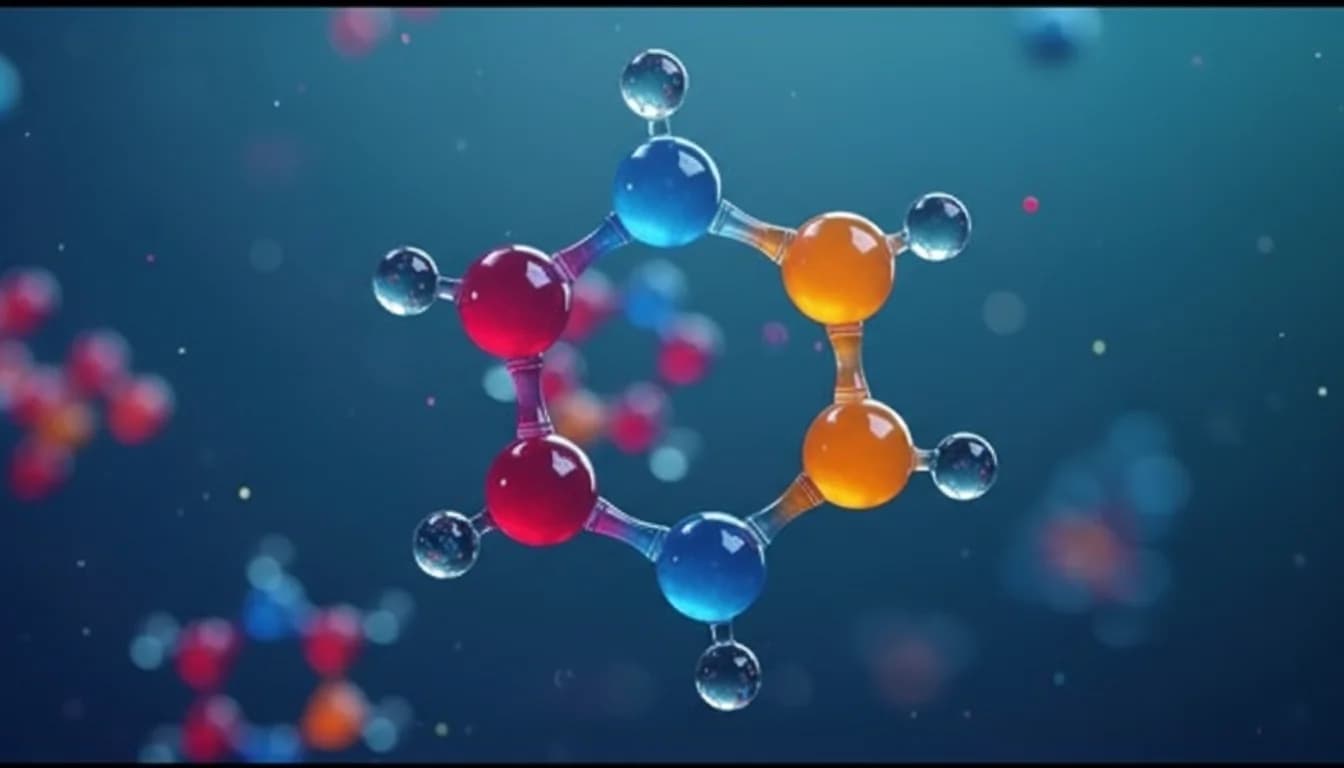
Benzene in BPO products
From Recall Risk to Regulatory Confidence. Our sensitive, validated methods for benzene in BPO formulations give you clear, defensible data to support safety decisions, regulatory submissions, and potential recall responses.

Nitrosamines
Nitrosamines are a class of potent carcinogens that can form as impurities in pharmaceutical products, particularly in certain drug formulations and manufacturing processes. Our validated method detects and quantifies nitrosamines at trace levels, ensuring compliance with regulatory limits.
Validated Methods
Interested in method details? Fill out this form to find out more.
Work Process
- 1
Initial Meeting
Define project scope, product matrix, and regulatory requirements.
- 2
Protocol Preparation
Prepare a validation or transfer protocol with clear acceptance criteria.
- 3
Experimental Execution
Perform analyses in an accredited and GMP-aligned laboratory environment.
- 4
Reporting
Issue a complete validation report with full analytical documentation.
- 5
Documentation Handover
Deliver a submission-ready package for audits and regulatory filings.
FAQ
What is the difference between method validation and method transfer?
Validation demonstrates that a method is fit for purpose through defined performance characteristics, while transfer confirms that the same validated method performs reliably in another laboratory with comparable results.
Which guidelines do you follow for validation?
We primarily work in line with ICH Q2(R2), combined with applicable pharmacopoeial requirements and internal GMP/GLP procedures, depending on method type, matrix, and regulatory goal.
How long does the validation process take?
The timeline depends on method complexity and sample availability, but it typically includes protocol preparation, experimental execution, and reporting over several weeks to a few months.
Can you transfer a method developed in another laboratory?
Yes. We run a structured transfer process with predefined acceptance criteria, comparative testing, and complete documentation suitable for audits and regulatory submissions.